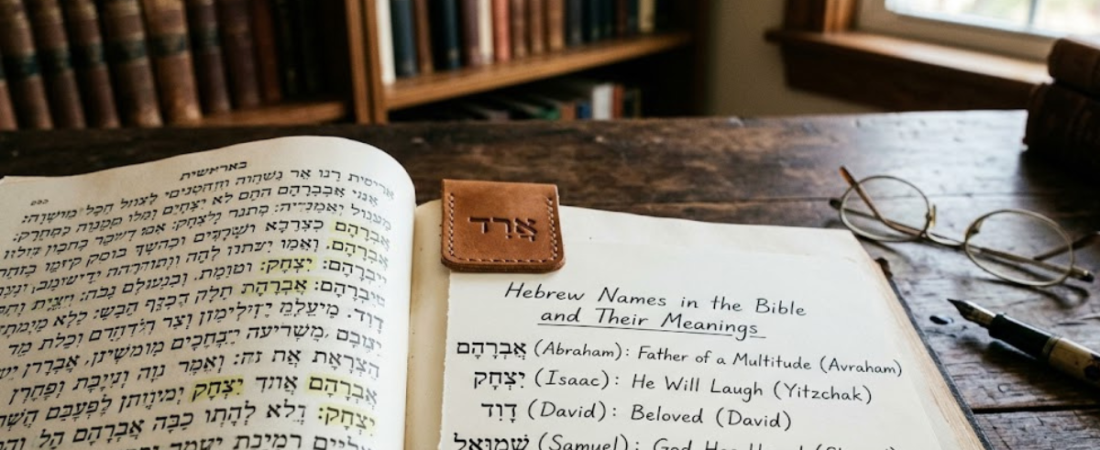
Names in the Bible are rarely random. In ancient Hebrew culture, a name often reflected a person’s identity, destiny, character, or relationship with God. That’s why so many readers today are fascinated by Hebrew names in the Bible and their meanings. From Adam to Zechariah, biblical names carry stories that have survived for thousands of years.
Understanding these names adds a deeper layer to Scripture. It helps readers connect with biblical history, appreciate the original Hebrew language, and uncover symbolic meanings that are often lost in translation. Whether you’re researching family names, studying theology, or simply curious about ancient traditions, exploring Hebrew names opens a fascinating window into biblical culture.
Why Hebrew Names Matter in the Bible
In modern culture, names are often chosen because they sound nice. In biblical times, names carried weight and purpose. Hebrew parents frequently named children based on:
- Significant events
- Emotional experiences
- Divine promises
- Personal traits
- Spiritual beliefs
For example, the name Isaac means “laughter,” because Sarah laughed when she learned she would have a child in old age. Jacob means “supplanter” or “holder of the heel,” reflecting the story of his birth.
The meaning of Hebrew names in the Bible often reveals hidden details about a person’s role in Scripture. Many biblical stories become more meaningful once the original Hebrew name is understood.
The Origins of Original Hebrew Names in the Bible
Most original Hebrew names in the Bible come from root words in ancient Hebrew. These roots usually connect to actions, emotions, or descriptions. Hebrew is a highly symbolic language, which explains why biblical names often contain spiritual messages.
Some common Hebrew elements found in names include:
- “El” meaning God
- “Yah” or “Yahu” referring to Yahweh
- “Ben” meaning son
- “Ab” meaning father
- “Shalom” meaning peace
For example:
- Daniel means “God is my judge”
- Elijah means “My God is Yahweh”
- Gabriel means “God is my strength”
These names were more than labels. They reflected faith, heritage, and identity.
Common Hebrew Names in the Bible and Their Meanings
Here are some of the best-known biblical Hebrew names and what they mean.
Male Hebrew Names
Adam
Meaning: “Man” or “earth”
Adam comes from the Hebrew word “adamah,” meaning ground or soil. According to Genesis, Adam was formed from the earth.
Noah
Meaning: “Rest” or “comfort”
Noah’s name symbolized relief during a time of human corruption and judgment.
Abraham
Meaning: “Father of many nations”
Originally called Abram, God changed his name after making a covenant with him.
Moses
Meaning: “Drawn out”
Moses was drawn out of the Nile River as a baby, giving the name powerful symbolic value.
David
Meaning: “Beloved”
David remains one of the most recognized kings in biblical history, and his name reflects favor and affection.
Female Hebrew Names in the Bible
Female Hebrew names in the Bible are often deeply poetic and spiritually rich.
Sarah
Meaning: “Princess”
Sarah became the matriarch of Israel and symbolizes faith and promise.
Miriam
Meaning: Possibly “beloved,” “rebellion,” or “sea of bitterness”
Scholars debate the exact meaning, but Miriam remains one of the most important women in the Old Testament.
Hannah
Meaning: “Grace” or “favor”
Hannah’s story of prayer and faith gives her name lasting spiritual significance.
Ruth
Meaning: “Friend” or “companion”
Ruth’s loyalty and kindness made her one of the Bible’s most admired women.
Esther
Meaning: “Star”
Though associated with Persian culture, Esther’s name became linked with courage and divine purpose.
God’s Hebrew Names in the Bible
One of the most powerful aspects of biblical Hebrew is the many names used for God. These names describe His nature, authority, and relationship with humanity.
Yahweh
Often translated as “LORD” in English Bibles, Yahweh is considered God’s personal covenant name.
Elohim
Meaning: “God” or “Mighty One”
This is one of the earliest names used for God in Genesis.
El Shaddai
Meaning: “God Almighty”
This name emphasizes divine power and protection.
Adonai
Meaning: “Lord” or “Master”
Used as a title of reverence and worship.
Jehovah Jireh
Meaning: “The Lord will provide”
This name appears in the story of Abraham and Isaac.
God’s Hebrew names in the Bible reveal different dimensions of His character. Each title highlights a specific attribute such as mercy, strength, provision, or holiness.
How to Pronounce Hebrew Names in the Bible
Many readers struggle with biblical pronunciation because ancient Hebrew sounds differ from modern English. Fortunately, most names can be learned with a few simple guidelines.
Basic Pronunciation Tips
- “Ch” often sounds like a soft throat sound, not like “church.”
- Hebrew syllables are usually emphasized near the end.
- Vowels are generally pronounced clearly.
Examples:
- Elijah: ee-LIE-jah
- Isaiah: eye-ZAY-ah
- Ezekiel: ee-ZEE-kee-el
- Nehemiah: nee-huh-MY-ah
Learning how to pronounce Hebrew names in the Bible can make Scripture reading feel more natural and engaging.
Spiritual Symbolism Behind Biblical Names
Biblical names often reflected major turning points in a person’s life. In several cases, God even changed someone’s name to represent a new identity.
Examples include:
- Abram to Abraham
- Sarai to Sarah
- Jacob to Israel
- Simon to Peter
These changes symbolized transformation, covenant, and spiritual calling.
Names also served prophetic purposes. Isaiah’s children, for instance, were given names with direct prophetic meanings connected to Israel’s future.
Why Biblical Hebrew Names Remain Popular Today
Hebrew names continue to influence modern baby names around the world. Many parents choose biblical names because they combine historical depth with spiritual meaning.
Popular choices include:
- Noah
- Elijah
- Hannah
- Abigail
- Levi
- Samuel
- Sarah
These names have endured because they carry timeless values like faith, wisdom, peace, and strength.
Hebrew Names and Biblical Genealogy
Genealogies in Scripture may seem repetitive at first glance, but Hebrew names often tell a deeper story. Entire family histories can reveal themes of redemption, blessing, or judgment through naming patterns alone.
Ancient Jewish culture viewed names as part of covenant identity. That’s why genealogies were carefully preserved throughout the Old Testament.
Understanding Hebrew names in the Bible helps readers see these passages with fresh perspective instead of skipping over them.
Hebrew Names in the Bible and Their Meanings PDF Searches
Many people search online for Hebrew names in the Bible and their meanings PDF resources. These downloadable guides are popular for:
- Bible study groups
- Baby name research
- Theology classes
- Hebrew language learning
- Sermon preparation
While PDF resources can be useful, it’s important to compare information with trusted biblical scholarship since some meanings vary depending on translation and interpretation.
FAQs About Hebrew Names in the Bible
What is the oldest Hebrew name in the Bible?
Adam is generally considered the first recorded Hebrew name in Scripture.
Why do Hebrew names have meanings?
Ancient Hebrew culture believed names reflected identity, purpose, and spiritual significance.
Are all biblical names Hebrew?
No. Some biblical names come from Aramaic, Egyptian, Persian, Greek, and other ancient languages.
What are the most popular female Hebrew names in the Bible?
Sarah, Hannah, Miriam, Ruth, and Abigail remain among the most widely used.
Why did God change people’s names in the Bible?
Name changes often symbolized transformation, covenant, or a divine mission.
What is the significance of God’s Hebrew names in the Bible?
Each name highlights a different aspect of God’s character, such as provision, power, mercy, or authority.
Can biblical Hebrew names still be used today?
Absolutely. Many biblical names remain popular worldwide because of their spiritual depth and timeless meanings.
Conclusion
Exploring Hebrew names in the Bible and their meanings offers much more than a language lesson. These names preserve history, reveal spiritual truths, and bring biblical stories to life in a more personal way. From the powerful names of God to the poetic names given to prophets, kings, and mothers, Hebrew naming traditions continue to inspire readers across generations.
If you want to deepen your understanding of Scripture, studying biblical names is an excellent place to start. The next time you read a familiar story, pay attention to the names—you may discover meanings that completely change how you see the passage